
By Angelo Villamejor — Former Financial Wealth Branch Manager at a top Philippine life insurance company, GAMA Awardee
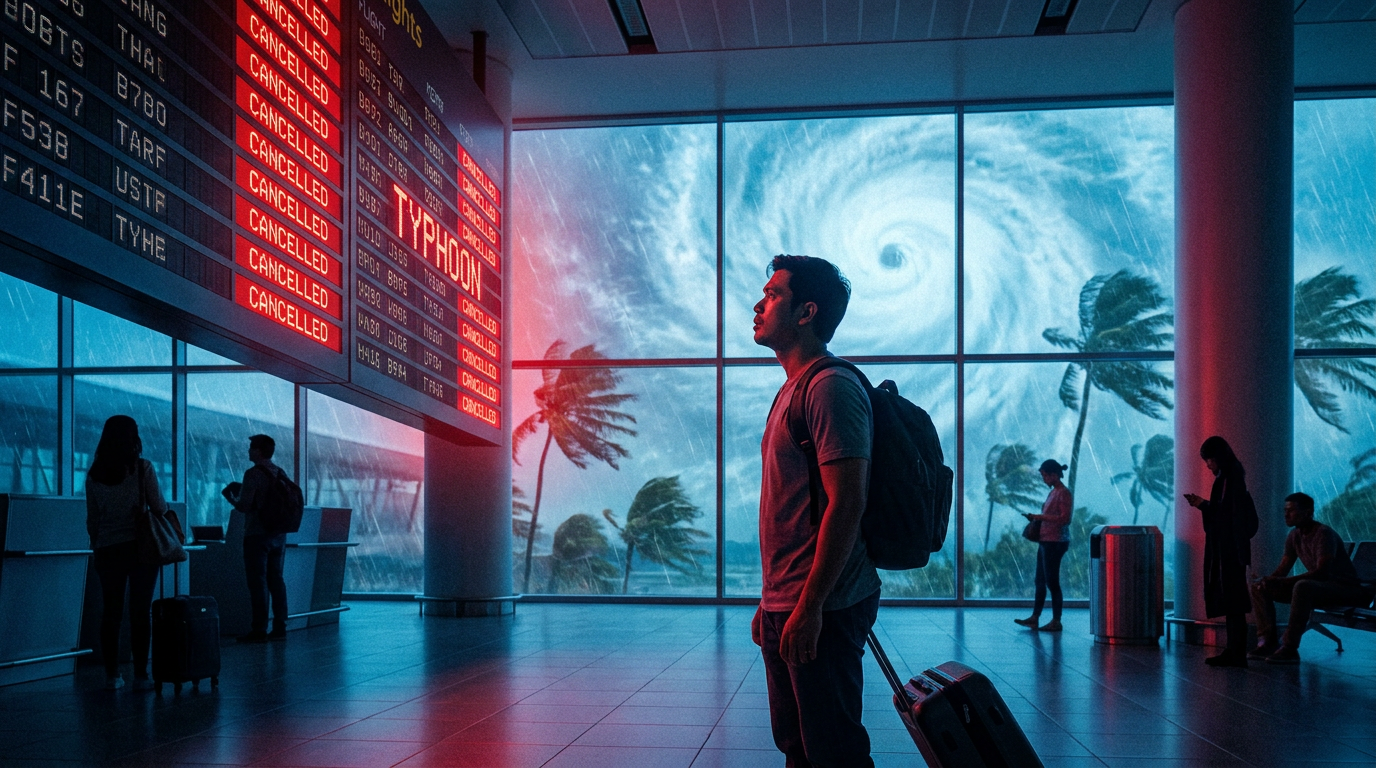
You saved for months. You booked the flights, packed the bags, and finally landed in Tokyo, Bangkok, or maybe Milan. The first few days are everything you imagined. Then your phone buzzes at 2 a.m. — your flight home is cancelled because a typhoon rerouted every plane out of Manila. The hotel wants another night's payment. Your connecting flight is gone. And you are running out of cash.
This is not a rare scenario. It is the kind of moment that separates travelers who prepared from travelers who simply hoped for the best.
As someone who has spent nearly three decades in the Philippine insurance industry, I have seen too many Filipinos learn this lesson the hard way. This guide is about helping you understand what travel insurance actually does, what it does not do, and why Filipinos — whether tourists, OFWs, or business travelers — need it more than most people realize.
What Travel Insurance Actually Covers (And What Most Filipinos Overlook)
Travel insurance is not a single benefit — it is a package of protections designed for the specific risks of being away from home. A typical Travel Secure policy includes several layers:
Medical expense coverage pays for hospital bills, doctor visits, and emergency treatments while you are abroad. Without it, a single emergency room visit in Singapore can cost upwards of PHP 50,000. In the United States or Europe, that same visit can exceed PHP 200,000.
Emergency medical evacuation covers transporting you to the nearest adequate medical facility — or back to the Philippines — if local treatment is insufficient. This alone can cost hundreds of thousands of pesos for long-distance evacuations with medical escorts.
Trip cancellation and interruption reimburses non-refundable travel expenses if you must cancel or cut short your trip due to illness, a family emergency, or severe weather. If a typhoon shuts down NAIA for three days and you lose prepaid bookings, this coverage helps recover those costs.
Flight delay and missed connection benefits provide cash allowances or reimburse additional expenses when delays exceed a set number of hours. For Filipinos flying through Dubai, Doha, or Hong Kong, where congestion regularly causes delays, this coverage pays for itself in a single incident.
Baggage loss and delay compensates you when airlines lose or delay your luggage, funding essential purchases while you wait. Personal liability covers legal costs if you accidentally injure someone or damage property abroad — something most Filipinos never consider until facing a claim in a foreign legal system.
The Real Cost of Being Uninsured Abroad
Consider a scenario I have encountered more than once in my career. A Filipino family flies to Hong Kong for a long weekend. On the second day, one of the children develops a high fever and needs hospitalization. The hospital requires a deposit before treatment begins. Without travel insurance, the family must pay out of pocket — often calling relatives to wire money. A two-night stay can reach PHP 150,000 or more in a private Hong Kong hospital.
Or consider the OFW who travels regularly between the Philippines and the Middle East. A sudden illness means navigating a foreign healthcare system where treatment for non-residents is expensive and payment is expected upfront. Without insurance, an unexpected illness can wipe out months of hard-earned income.
The cost of being uninsured is always higher than the cost of a policy. A Travel Secure plan for a one-week Southeast Asia trip typically costs less than a single dinner at a resort restaurant — yet it covers medical bills that would take years to pay off.
Common Travel Emergencies Filipinos Face — And How Insurance Responds
Tropical storms and flight disruptions. The Philippines sits in a typhoon belt, and storms regularly affect regional flights. When cancellations happen, uninsured travelers absorb the full cost of rebooked flights, extended hotel stays, and missed tours. Travel insurance with trip interruption and delay coverage handles these directly.
Medical emergencies in expensive healthcare systems. Filipinos traveling to the US, Canada, Japan, or Europe face some of the highest medical costs in the world. A simple appendectomy in the US can cost over PHP 1 million. Adequate medical expense limits ensure you are covered for emergencies that would otherwise be devastating.
Schengen visa requirements. If you are applying for a Schengen visa, travel insurance is mandatory — not optional. The visa requires a minimum of EUR 30,000 (approximately PHP 1.8 million) in medical coverage. Many Filipinos buy the cheapest policy just to satisfy the requirement, without checking whether it provides adequate protection.
Lost or delayed baggage on connecting flights. Filipinos flying to Europe or North America connect through hubs in the Middle East or East Asia, and each connection increases mishandling risk. Baggage coverage provides immediate funds for essentials and reimburses lost belongings up to the policy limit.
Accidents during adventure activities. More Filipinos are traveling for adventure — skiing in Japan, trekking in Nepal, diving in Indonesia. Standard travel insurance may exclude certain high-risk activities. Always check whether your policy covers what you plan to do.
Practical Tips Before You Fly
- Read the policy before you buy it. Understand the coverage limits, exclusions, and claim procedures. The cheapest policy is rarely the best value when you actually need it.
- Check the medical coverage limit. For travel within Southeast Asia, at least USD 50,000 is reasonable. For the US, Europe, or Japan, look for USD 100,000 or higher.
- Keep digital and printed copies of your policy. Save the emergency assistance hotline in your phone and carry a printed copy. When an emergency happens abroad, you want to reach your insurer immediately.
- Declare pre-existing conditions honestly. Failing to disclose a medical condition can invalidate your coverage when you need it most. Some policies cover pre-existing conditions; others exclude them. Know which one you are buying.
- Understand the claims process. Know what documents you need — medical reports, receipts, police reports for theft, airline confirmations. Filing a claim is straightforward when you have the right documentation.
- Work with an independent insurance agency. An independent agent compares policies from multiple providers and helps you choose one that fits your specific travel plans, destination, and budget — without being limited to a single company's offerings.
Why This Matters
Travel insurance is not about fear — it is about freedom. The freedom to explore the world knowing that if something goes wrong, you have a safety net. As Filipinos, we travel for work, for family, for education, and for the joy of seeing new places. Each journey deserves protection.
At OneNetworx Insurance Agency, we believe you should never be limited to a single provider's options. Why choose one, when you can choose Onenetworx? We compare plans from multiple top providers so you get the coverage that fits your trip — at the right price, with the right protection.
Get a Free Quote Today
Ready to protect what matters most? Our insurance experts are here to help you find the right coverage at the best price.
🌐 www.onenetworxinsurance.com
About the Author
Angelo Villamejor is a former financial wealth branch manager at a top Philippine life insurance company and a GAMA Awardee, with nearly three decades of experience spanning insurance brokerage, bancassurance, non-life and life insurance leadership. He leads OneNetworx Insurance Agency with a focus on giving Filipino families and businesses unbiased, expert guidance to find coverage that holds up when it matters most.