
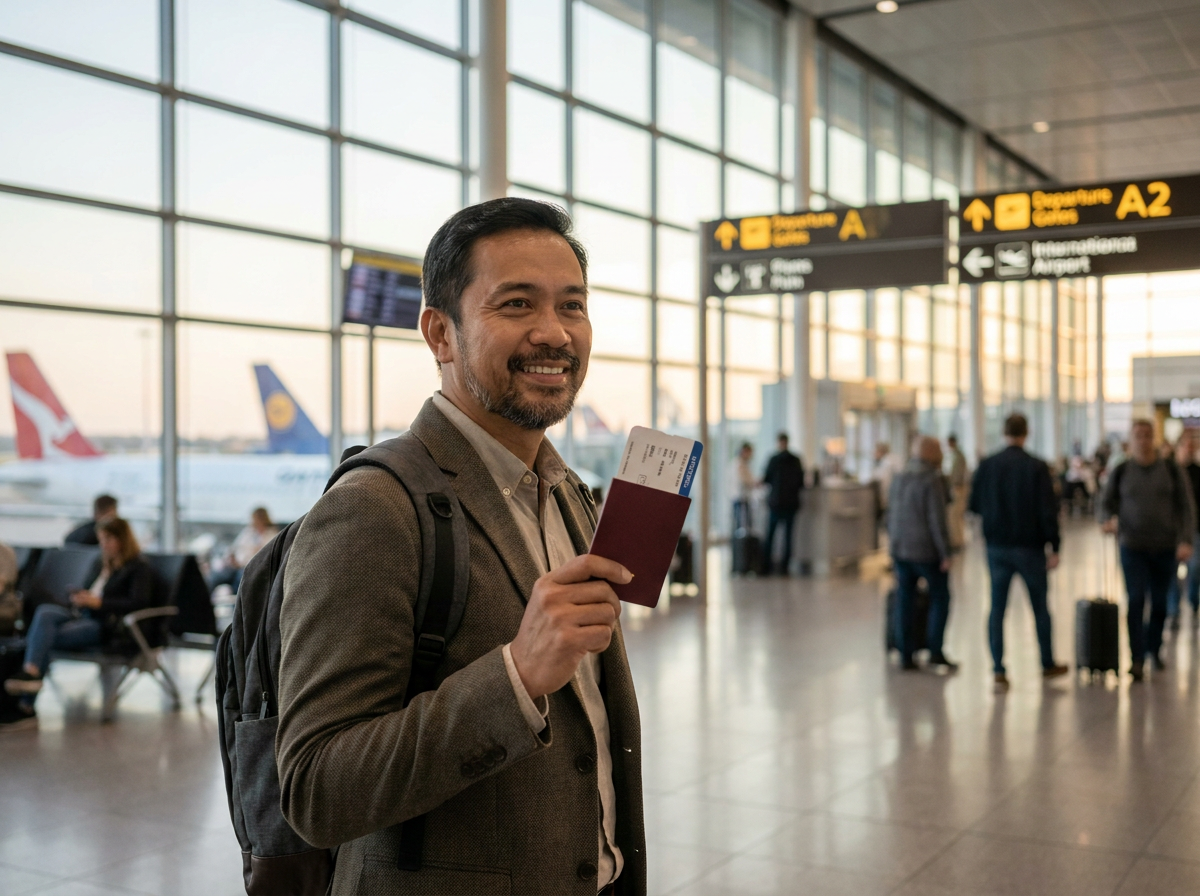
Every year, millions of Filipinos travel abroad — for work, vacation, family reunions, medical treatment, and business. Yet only a fraction of these travelers take the time to truly understand their travel insurance policy before departure.
Travel insurance is not a luxury. For Filipinos traveling internationally, it is a financial safety net that can mean the difference between a manageable inconvenience and a devastating financial loss. A single hospitalization abroad can cost hundreds of thousands — sometimes millions — of pesos. In the United States, a brief emergency room visit can exceed PHP 250,000. In Japan, a week-long hospital stay can run to seven figures.
But here is the uncomfortable truth: many Filipinos who do purchase travel insurance assume they are fully protected, without ever reading what is — and what is not — covered. This guide is designed to change that. Read it before your next trip.
What Travel Secure Insurance Actually Covers
Travel insurance in the Philippines, commonly marketed under product names like “Travel Secure,” is a package policy that bundles several distinct types of coverage into a single plan. Understanding each component is essential before you travel.
Emergency Medical Treatment and Hospitalization
This is the core benefit — and the most financially critical. If you fall ill or are injured abroad, your travel insurance covers the cost of emergency medical treatment, specialist consultations, hospitalization, surgery, and related medical expenses up to the policy limit. This coverage applies whether you are in Tokyo, Dubai, London, or Los Angeles.
Emergency Medical Evacuation and Repatriation
If your condition requires specialized care not available at your destination, your insurer arranges and covers the cost of transporting you to a qualified medical facility — or back to the Philippines. In the event of death abroad, the policy also covers the repatriation of remains. These logistics, managed by the insurer's 24-hour assistance network, can cost millions of pesos if arranged privately.
Trip Cancellation and Interruption
If you must cancel your trip before departure due to a covered reason — sudden illness, the death of a close family member, a natural disaster at your destination, or an unforeseen work emergency — your insurer can reimburse non-refundable expenses including airline tickets and hotel bookings. Trip interruption coverage applies if your trip is cut short mid-journey for similar covered reasons.
Baggage Loss, Delay, and Personal Effects
Lost, stolen, or significantly delayed checked baggage is covered. If your luggage is delayed by more than a specified number of hours, the policy reimburses the cost of essential replacement items — clothing, toiletries, and other necessities. Personal valuables such as laptops, cameras, and jewelry are also partially covered, though per-item sub-limits apply.
Flight Delays and Missed Connections
When flight disruptions force you to miss connecting flights or cause extended delays beyond the policy waiting period, your travel insurance reimburses accommodation, meals, and transportation expenses incurred during the wait. This benefit is particularly relevant for Filipino travelers transiting through major hubs.
Personal Liability
If you accidentally cause bodily injury to a third party or damage their property while traveling, personal liability coverage protects you from the financial consequences of a legal claim against you. This is particularly important in countries with active civil liability frameworks, where even minor incidents can result in significant legal costs.
What Travel Insurance Does NOT Cover — The Fine Print You Must Read
Understanding what your policy excludes is just as important as knowing what it covers. Many travelers discover these exclusions only when they file a claim — often too late to do anything about it.
The critical rule: The marketing brochure describes what the policy covers. The policy document describes what it does not cover. Always read both — or work with an independent insurance advisor who will explain both in plain language before you travel.
Pre-existing Medical Conditions
This is the most common source of claim disputes in travel insurance. Most standard policies exclude medical expenses arising directly from conditions you had before purchasing the policy. If you have diabetes, hypertension, a heart condition, asthma, or any other chronic illness, you must declare it. A specialist broker can find a policy that explicitly extends coverage to pre-existing conditions, often for an additional premium — but you must ask for it proactively.
Adventure Sports and Hazardous Activities
Planning to go scuba diving in Palawan, skiing in Japan, or paragliding in Switzerland? Standard travel insurance policies typically exclude injuries sustained during adventure sports, extreme activities, or hazardous pursuits. If your trip includes any of these activities, you need a specific adventure sports rider or a policy designed for active travelers.
Travel Against Government Advisories
If the Philippine Department of Foreign Affairs (DFA) or the destination country's government has issued a travel advisory recommending against travel to a specific area — due to armed conflict, civil unrest, or a public health emergency — and you travel there anyway, your insurer may deny claims arising from incidents in that area. Always check DFA advisories before departure.
Unattended Belongings
Bags and valuables left unattended in public spaces — hotel lobbies, airport departure halls, restaurants — are generally not covered under theft or loss claims. Policies typically require that you exercised reasonable care to secure your belongings. Document losses promptly with a police report at your destination.
Alcohol and Drug-Related Incidents
Claims resulting from accidents or incidents where the insured was under the influence of alcohol or drugs are universally excluded across all Philippine travel insurance providers.
Planned Medical Procedures
Medical costs related to elective procedures, treatments planned before departure, or non-emergency care sought while traveling are not covered. Travel insurance is designed for unexpected emergencies — not scheduled medical tourism. If you are combining travel with planned medical procedures abroad, you will need separate, specialist coverage for that component.
Special Considerations for Filipino Travelers
The Philippines has distinct travel patterns and circumstances that affect how travel insurance should be selected and used. These nuances are rarely addressed in standard brochures.
OFWs Returning on Vacation
Overseas Filipino Workers who return home for vacation and then travel back to their work country face a specific coverage gap. Employer-provided or host-country health coverage typically does not apply during the OFW's vacation period in the Philippines or during return transit. A dedicated travel insurance policy for the vacation and return trip fills this window — particularly important for OFWs in countries where private medical care is expensive.
Balikbayans and Frequent Travelers
Filipinos who make multiple international trips per year may find that an annual multi-trip policy delivers better value than purchasing single-trip coverage for each journey. Multi-trip plans provide continuous coverage for all qualifying trips within a 12-month period, subject to per-trip duration limits (commonly 30, 45, or 90 days per trip). For travelers making four or more international trips annually, the math usually favors an annual plan.
Students Studying Abroad
Filipino students enrolled in universities overseas typically receive basic institutional health coverage, but this rarely extends to emergency medical evacuation, trip interruption, or personal liability. Supplemental travel insurance — often an annual student plan — fills these critical gaps at a cost that is modest relative to the exposure.
Travelers with Senior Family Members
Many travel policies set an upper age limit for enrollment — commonly 70 or 75 years old — and impose premium loadings for older travelers. If you are traveling with elderly parents or grandparents, verify that your policy covers all travelers in the group and review what exclusions apply to their age bracket. Some policies exclude emergency medical evacuation for travelers above a certain age or impose sub-limits on the medical benefit.
A note on Philippine visa requirements: Many embassies — including those of Schengen countries, Japan, Australia, and the United Kingdom — require proof of travel insurance as part of the visa application process. Coverage minimums vary by destination. An independent insurance advisor can confirm that your policy meets the specific requirements of your visa application.
Practical Tips for Buying the Right Travel Insurance
After nearly three decades in the Philippine insurance industry, these are the principles I apply when helping any client select travel coverage. They are straightforward — but most travelers ignore at least one of them.
- 1.Buy early, not at the airport.
Purchase your travel insurance as soon as you have paid for your trip — not at the airport kiosk the day you fly. Trip cancellation coverage begins immediately after purchase, protecting you from day one. Airport policies are typically more expensive, have lower coverage limits, and offer fewer options.
- 2.Match coverage to your destination's cost of care.
Medical costs vary enormously by country. A policy with a PHP 1 million medical limit may be adequate for a trip to Thailand or Vietnam, but completely inadequate for the United States, where a single emergency hospitalization can cost PHP 2–5 million. Know your destination's medical cost profile before selecting a coverage limit.
- 3.Declare pre-existing conditions honestly.
Non-disclosure of a pre-existing condition is one of the most common reasons travel insurance claims are disputed or denied. Always declare your health history accurately. A specialist broker will find a policy that covers your conditions properly — and that coverage is almost always worth more than the premium savings from non-disclosure.
- 4.Store your insurer's emergency number before you board.
Every travel insurance policy includes a 24-hour emergency assistance hotline. Save it in your phone before departure. In a genuine medical emergency abroad, you will not have time to search for it — and calling the assistance center first (rather than self-arranging care) is typically required for full claim reimbursement.
- 5.Work with an independent advisor who can compare options.
Travel insurance products vary significantly across Philippine providers in terms of medical limits, exclusion lists, emergency assistance network quality, and claims processing efficiency. An independent, non-tied insurance advisor can compare these factors across multiple providers and recommend the policy that fits your trip, health profile, and budget — not the one that delivers the highest commission.
The bottom line: Travel insurance is not about pessimism — it is about preparation. The travelers who benefit most from it are those who understood exactly what they had before they needed it. Take ten minutes to read your policy before your next trip. That ten minutes could be worth millions of pesos.
Get a Free Quote Today
Ready to protect what matters most? Our insurance experts are here to help you find the right travel coverage at the best price. OneNetworx Insurance Agency compares Travel Secure options across multiple top Philippine insurers — so you travel with genuine confidence, not just a policy number.
🌐 www.onenetworxinsurance.com
About the Author
Angelo Villamejor is a former financial wealth branch manager at a top Philippine life insurance company and a GAMA Awardee, with nearly three decades of experience spanning insurance brokerage, bancassurance, non-life and life insurance leadership. He leads OneNetworx Insurance Agency with a focus on giving Filipino families and businesses unbiased, expert guidance to find coverage that holds up when it matters most.