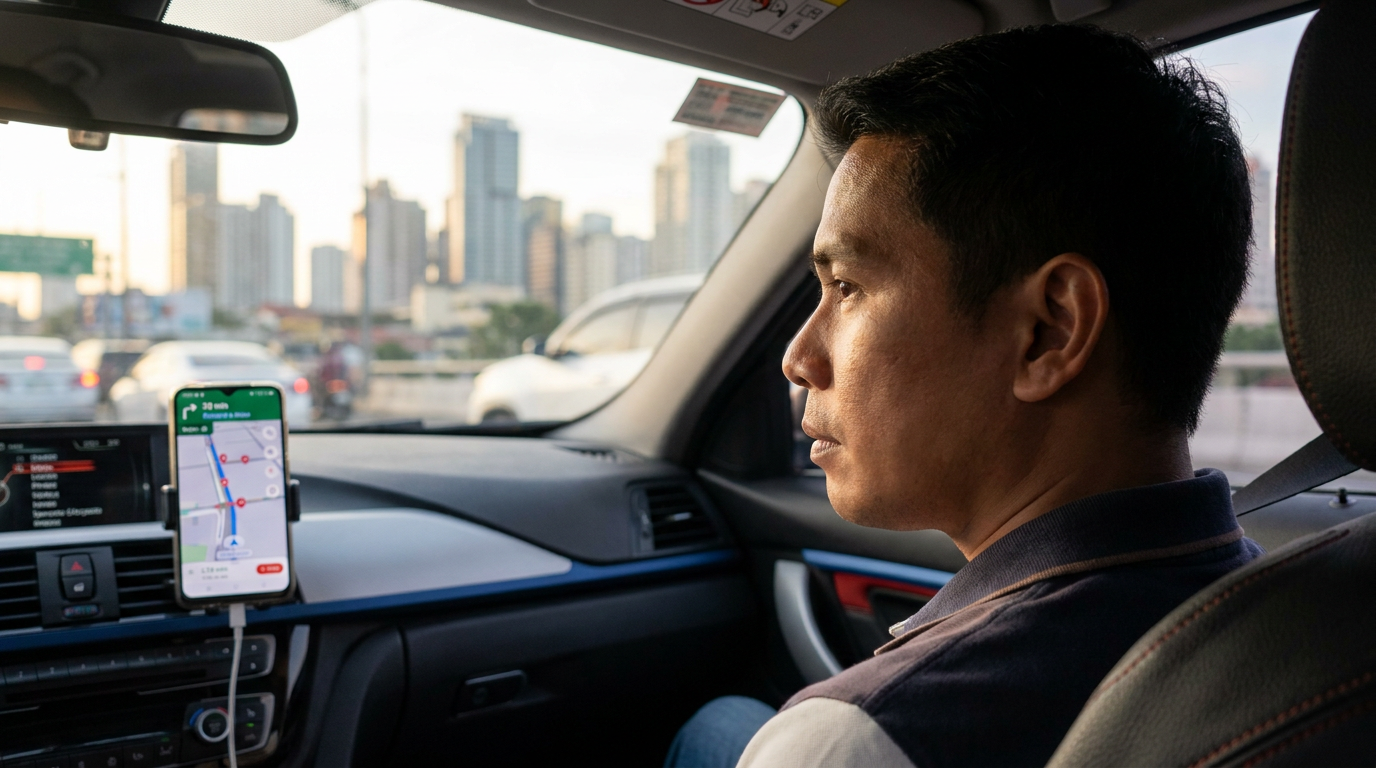
If you drive for Grab, Uber, or any ride-hailing platform in the Philippines, there is a question that could cost you hundreds of thousands of pesos: is your personal car insurance enough?
The short answer is no. And if you are like many TNVS (Transport Network Vehicle Service) drivers and operators in Metro Manila who assume their private motor car policy covers everything, you may be carrying a dangerous gap in your protection — one that only becomes visible when an accident happens with a paying passenger inside your vehicle.
Let us walk through the real differences between TNVS insurance and private car insurance, what Philippine regulations require, what ride-hailing platforms expect, and how to make sure you are not exposed when it matters most.
The Core Difference: Personal Use vs Commercial Use
Private car insurance is designed for one purpose — covering a vehicle used for personal, everyday driving. Commuting to work, running errands, weekend trips with family. When you apply for a private motor car policy, the insurer prices your premium based on that assumption: personal use, average mileage, no paying passengers.
TNVS insurance, on the other hand, is built for commercial use. The moment you accept a ride request through a transport network company, your vehicle becomes a commercial carrier. You are transporting paying passengers, driving longer hours, navigating high-traffic routes across Metro Manila, Mandaluyong, Quezon City, or Cebu, and exposing yourself to significantly greater liability risk.
This distinction matters because most private car insurance policies in the Philippines contain a “private use only” clause. If you get into an accident while driving for a ride-hailing platform and your insurer discovers you were using the vehicle commercially, they can deny the claim. The premium you paid was based on personal use — and the contract reflects that.
The result? You absorb the cost of vehicle repairs, third-party damages, and potentially passenger injuries entirely on your own.
What the LTFRB Requires for TNVS Operators
The Land Transportation Franchising and Regulatory Board (LTFRB) sets the baseline insurance requirements for all TNVS units operating in the Philippines. Under LTFRB Memorandum Circular 2015-018 and subsequent guidelines, every TNVS vehicle must carry:
- Passenger Personal Accident (PPA) coverage — provides financial protection for passengers in case of death or bodily injury while riding in the TNVS unit. The minimum coverage amount is PHP 100,000 per passenger.
- Third-Party Liability (TPL) — mandatory for all registered motor vehicles in the Philippines, covering bodily injury to third parties outside your vehicle.
- Proof of insurance coverage must be submitted as part of the TNVS accreditation and franchise application process.
These are minimums, not maximums. They exist to protect passengers and third parties — but they do not necessarily protect you, the driver or operator, against the full financial impact of an accident. Comprehensive TNVS coverage goes beyond these requirements to protect your vehicle, your income, and your personal liability.
Operating without the required insurance is not just a regulatory violation. It puts your franchise at risk and exposes you to penalties, suspension, or revocation of your TNVS accreditation.
Important: LTFRB requirements are the floor, not the ceiling. Meeting them means you can legally operate — it does not mean you are fully protected when something goes wrong.
What Grab and Other Ride-Hailing Platforms Require
Beyond LTFRB regulations, transport network companies like Grab enforce their own insurance requirements before a vehicle can be activated on the platform.
Grab Philippines requires all partner vehicles to have valid Passenger Personal Accident insurance and TPL coverage as a condition of onboarding. Some platforms also require proof of comprehensive motor insurance — particularly for operators running fleets or vehicles under financing arrangements.
It is important to understand that the platform's requirement and your actual protection are not always the same thing. Meeting the minimum platform requirement means you can drive — it does not mean you are fully covered when something goes wrong. A driver who satisfies the platform's baseline requirement but carries only a private comprehensive policy may still face a denied claim if the insurer classifies ride-hailing activity as commercial use outside the policy's scope.
The Coverage Gaps That Put Drivers at Risk
Here is where many TNVS drivers and operators get caught off guard. These are the most common coverage gaps we see when drivers rely on private car insurance for ride-hailing work:
1. Denied Claims Due to Commercial Use
As discussed, private policies typically exclude commercial activity. An accident while a paying passenger is in the vehicle gives the insurer grounds to reject the claim.
2. No Passenger Liability Coverage
Private car insurance does not include Passenger Personal Accident coverage by default. If a passenger is injured and you only have a private policy, you may be personally liable for medical expenses, hospital bills, and potential legal claims.
3. Inadequate Third-Party Liability Limits
The minimum TPL coverage required by the LTFRB may not be enough for a serious accident involving multiple vehicles or significant injuries. A single accident along EDSA during rush hour can result in damages far exceeding minimum limits.
4. No Loss of Income Protection
If your vehicle is in the shop for two weeks after an accident, your earnings stop — but your car payments, franchise fees, and operating costs do not. Private car insurance does not cover this. Some TNVS-specific policies include coverage for loss of income while the vehicle is being repaired.
5. Typhoon and Flood Damage During Active Duty
During typhoon season in the Philippines, flooded streets in low-lying areas of Metro Manila are a daily reality. Many drivers assume their “Acts of Nature” add-on covers everything — but if the policy is classified as private use, the insurer may still contest a claim that occurred during a commercial trip.
Practical Tips for TNVS Drivers and Operators
If you are currently driving or planning to operate as a TNVS driver in the Philippines, here are practical steps to protect yourself:
- Be honest with your insurer about how you use the vehicle. Declaring commercial use upfront ensures your policy is priced correctly and your claims will not be denied on a technicality. The premium difference is modest compared to the cost of an uncovered accident.
- Check that your policy explicitly covers TNVS or ride-hailing activity. Not all commercial policies are the same. Ask your insurance provider whether the policy is designed for TNVS use specifically — and get the confirmation in writing.
- Carry Passenger Personal Accident coverage above the minimum. PHP 100,000 per passenger is the floor, not the ceiling. Higher coverage provides real protection if a serious injury occurs.
- Review your comprehensive coverage limits for own damage and theft. Ride-hailing vehicles rack up more kilometres, increasing wear and the likelihood of incidents. Make sure your own damage limits reflect the actual replacement value of your vehicle.
- Work with an independent insurance agency. Because OneNetworx Insurance Agency is not tied to a single provider, we can compare coverage options across multiple insurers and find the policy that fits your operating model — whether you drive a single unit or manage a fleet of twenty.
Why This Matters More Than You Think
The Philippine ride-hailing market continues to grow, and with it, the number of drivers who discover too late that their insurance was not designed for the work they do. A single accident with a passenger can wipe out months of earnings. A claim denial can turn a manageable incident into a financial crisis.
The difference between TNVS insurance and private car insurance is not a technicality. It is the difference between having someone stand with you when something goes wrong and facing the full cost alone.
At OneNetworx Insurance Agency, we believe you deserve the freedom to choose the coverage that fits your actual needs — not a one-size-fits-all policy that leaves gaps. Why choose one, when you can choose Onenetworx?
Get a Free Quote Today
Ready to protect what matters most? Our insurance experts are here to help you find the right coverage at the best price.
🌐 www.onenetworxinsurance.com
About the Author
Angelo Villamejor is a former financial wealth branch manager at a top Philippine life insurance company and a GAMA Awardee, with nearly three decades of experience spanning insurance brokerage, bancassurance, non-life and life insurance leadership. He leads OneNetworx Insurance Agency with a focus on giving Filipino families and businesses unbiased, expert guidance to find coverage that holds up when it matters most.