
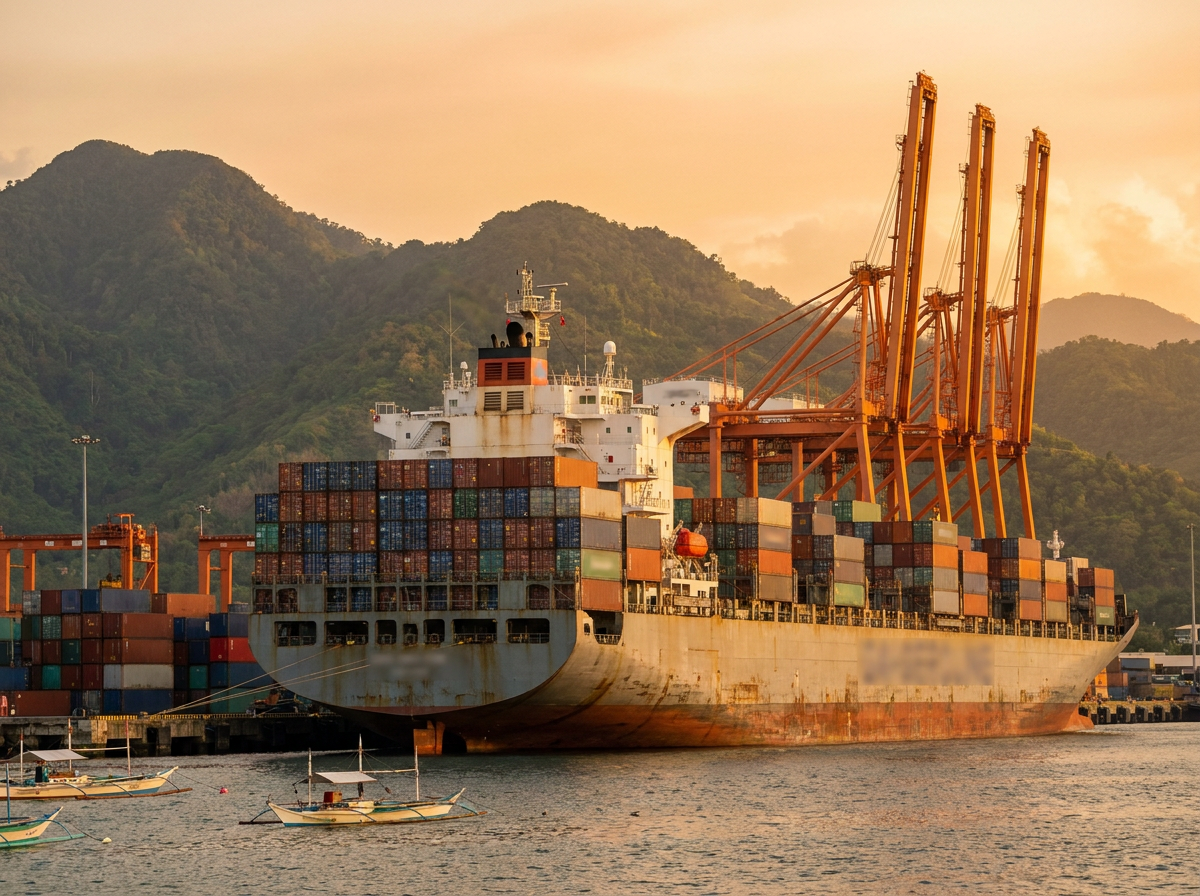
Many Filipino importers and exporters say, “My cargo is insured,” and leave it at that. But two cargo policies can carry the same sum insured and still pay very differently after a loss. The difference usually lies in two things most shippers never read closely: the Institute Cargo Clauses attached to the policy, and the Incoterms in the sales contract.
This guide explains both in plain language, so you know what you are buying before a container leaves the port.
What Is Marine Cargo Insurance?
Marine cargo insurance protects goods while they move by sea, air or land, from the seller's warehouse to the buyer's. For a business importing electronics through Manila, exporting produce from Mindanao, or shipping inventory between islands, it covers the value of the goods against physical loss or damage in transit. The cargo is often your largest asset on the move, yet it is the one most easily left exposed.
The Three Levels: ICC (A), ICC (B) and ICC (C)
Most cargo policies in the Philippines follow the Institute Cargo Clauses, which come in three levels of cover:
- ICC (A), the widest cover. It covers all risks of loss or damage to the goods, except what the policy specifically excludes, such as inherent vice, ordinary leakage, insufficient packing and delay. It is the usual choice for finished goods, electronics and anything fragile or high-value.
- ICC (B), the middle level. It covers a list of named perils, such as fire or explosion, vessel stranding or sinking, overturning of a land vehicle, earthquake, and washing overboard. If the cause of loss is not on the list, it is not covered.
- ICC (C), the most limited level. It covers a shorter list of major casualties, such as fire, explosion, stranding or sinking, and collision. It is sometimes used for low-value bulk cargo where price matters more than breadth.
The premium rises with the level of cover, which is why choosing the cheapest quote without checking the clause can be a costly mistake. A water-damage claim from a leaking container or a case of pilferage may be paid under ICC (A) and declined under (B) or (C).
Incoterms: Who Is Supposed to Insure the Cargo?
Incoterms are the standard trade terms in your sales contract. They state when risk passes from seller to buyer, and who must arrange insurance. Misreading them is one of the most common reasons a loss goes uninsured.
- FOB (Free On Board). Risk passes to the buyer once the goods are on the vessel. The buyer carries the sea risk and should arrange their own cargo insurance.
- CIF (Cost, Insurance and Freight). The seller buys the insurance, but under CIF the minimum required cover is only ICC (C). A buyer who assumes “the seller already insured it” may hold far narrower protection than needed.
- CIP (Carriage and Insurance Paid To). The seller must insure under ICC (A), the widest level.
- EXW (Ex Works). The buyer bears nearly all risk from the seller's door, so insurance should be in place before pick-up.
Common Misconceptions
- “The carrier is liable, so I don't need insurance.” Carrier liability is usually capped well below cargo value and has many defences. Insurance responds to your loss, not to a legal argument.
- “Marine insurance only covers sea voyages.” Policies can cover door-to-door movement, including trucking and warehousing during transit.
- “Typhoon damage is automatically included.” It depends on the clause and conditions, so confirm it in writing.
- “The invoice value is enough.” Many policies insure at 110% of invoice value to cover freight and expected profit. Check the basis of valuation.
Practical Tips Before You Ship
- Read the Incoterm in your contract first, then decide who insures and at what level.
- Match the clause to the cargo: fragile, high-value or perishable goods usually deserve ICC (A).
- Pack and label to carrier standards. Insufficient packing is a common exclusion.
- Confirm the policy runs from warehouse to warehouse, not just port to port.
- Keep the invoice, bill of lading, packing list and photos, and report damage immediately on delivery.
- If you ship regularly, ask about an open policy instead of arranging cover shipment by shipment.
Getting an Independent Comparison
Because cargo terms vary between insurers, comparing only the premium can hide real differences in wording, deductibles and claims handling. OneNetworx Insurance Agency is not tied to a single company, so we can help you review options from multiple top Philippine insurers against your actual shipments before you commit.
Get a Free Quote Today
Ready to protect what matters most? Our insurance experts are here to help you find the right coverage at the best price.
🌐 www.onenetworxinsurance.com
About the Author
Angelo Villamejor, Former Financial Wealth Branch Manager at a top Philippine life insurance company and a GAMA Awardee, has nearly three decades of experience spanning insurance brokerage, bancassurance, non-life and life insurance leadership. He leads OneNetworx Insurance Agency, giving Filipino families and businesses unbiased, expert guidance.