
By Angelo Villamejor — Former Financial Wealth Branch Manager at a top Philippine life insurance company, GAMA Awardee
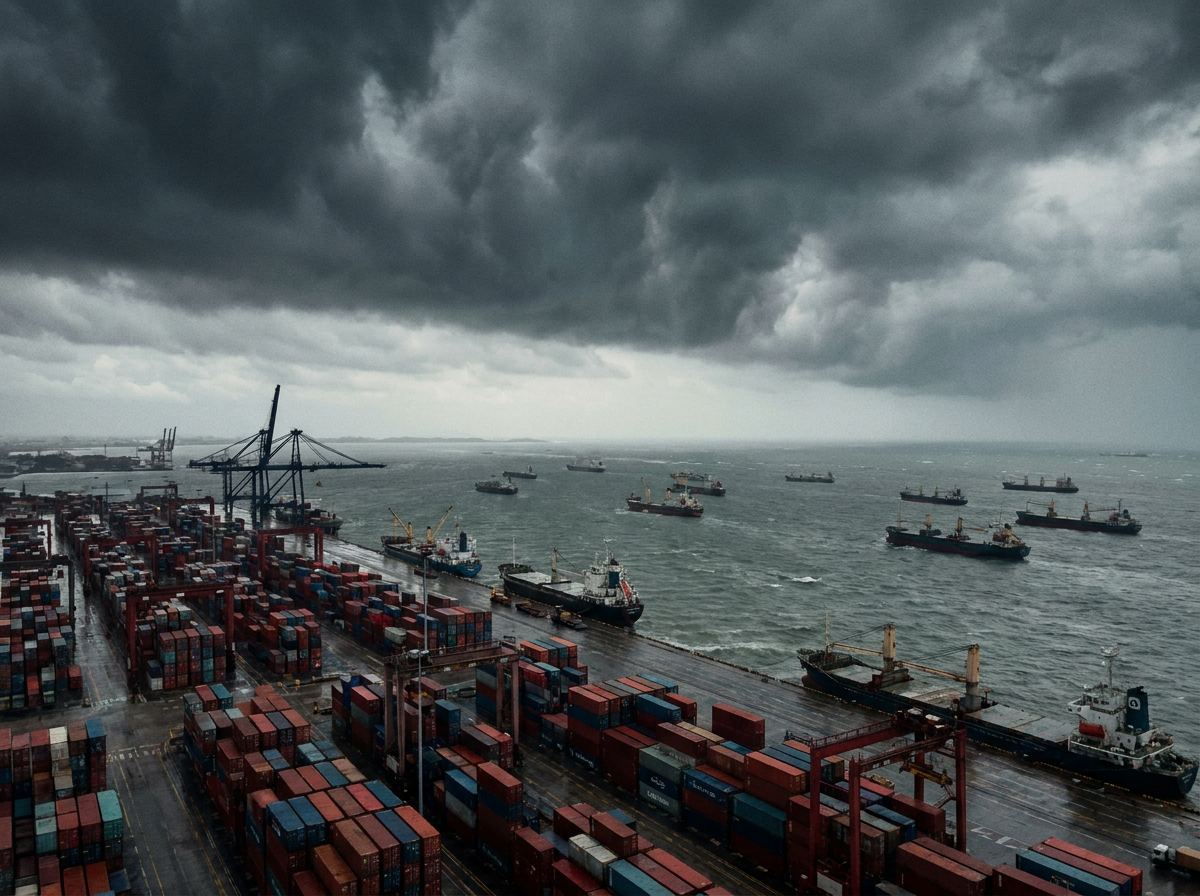
The Philippines sits squarely in the Pacific typhoon belt. Each year, an average of 20 typhoons enter the Philippine Area of Responsibility, with roughly 8 to 9 making landfall. For a country that moves a massive share of its goods across water — between 7,600-plus islands — typhoon season is not just a weather event. It is a logistical and financial risk that affects every business shipping cargo by sea.
If you import raw materials, distribute products between islands, or run an e-commerce operation that ships to customers across the country, typhoon season directly threatens your shipments. Containers get delayed. Vessels get rerouted. Cargo gets soaked, crushed, or lost overboard. And when that happens, the financial loss falls on you — unless you have the right protection in place.
This guide explains how typhoon season affects marine cargo in the Philippines, what marine cargo insurance actually covers, and the practical steps you can take to protect your shipments before the next storm arrives.
Why Typhoon Season Is the Biggest Risk to Philippine Marine Cargo
The Philippine maritime shipping industry is the backbone of domestic trade. Inter-island vessels move construction materials, food products, consumer goods, electronics, agricultural produce, and manufactured items between major ports — Manila, Cebu, Davao, Cagayan de Oro, Iloilo, Zamboanga, and dozens of smaller municipal ports.
During typhoon season — typically June through November, though storms can occur outside this window — that movement faces three major disruptions:
1. Vessel cancellations and port closures
When a typhoon approaches, the Philippine Coast Guard suspends vessel departures. This is a safety measure, and it works — but it also means your cargo sits at the port, sometimes for days, exposed to weather conditions and storage risks.
2. Rough seas and cargo damage
Even when vessels do sail, rough seas cause containers to shift, collide, and sometimes breach. Water ingress is one of the most common forms of cargo damage during typhoon season. Saltwater corrosion ruins electronics, contaminates food products, and degrades packaging.
3. Rerouting and transshipment delays
When a destination port is closed or a sea route is unsafe, vessels reroute to alternative ports. Your cargo may end up at a different port, requiring additional inland transport — more handling, more risk, more cost.
The financial impact compounds quickly. A single container of goods damaged by seawater can represent hundreds of thousands of pesos in losses. For small and medium businesses operating on thin margins, one bad shipment during typhoon season can wipe out months of profit.
What Marine Cargo Insurance Covers During Typhoon Season
Marine cargo insurance is designed to protect the value of goods while they are in transit — by sea, by air, or by land. It is distinct from marine hull insurance (which covers the vessel itself) and freight insurance (which covers the shipping company's revenue). Cargo insurance protects the owner of the goods.
A standard marine cargo policy typically covers:
- Loss or damage from natural perils, including typhoons, storms, heavy seas, and lightning
- Water damage, including saltwater ingress and fresh water damage from rain
- Loading and unloading damage, when cargo is dropped, mishandled, or crushed during port operations
- Total loss, when cargo is completely destroyed or lost overboard
- General average contribution, a maritime principle where all cargo owners share the cost of an emergency sacrifice (for example, when cargo is jettisoned to save a vessel in distress)
The key point: typhoon-related damage is generally covered under a comprehensive (or “all-risks”) marine cargo policy. However, coverage depends on the specific terms, conditions, and exclusions of your policy. This is why reading and understanding your policy — before typhoon season, not after a loss — matters.
Common Gaps That Leave Cargo Unprotected
Many Filipino businesses assume they are covered when they are not. Here are the most common gaps:
- Assuming the shipping line covers your cargo. Shipping lines operate under limited liability. Their liability for cargo damage or loss is typically capped at a fraction of the actual value of the goods — often based on weight, not value. A shipping line might pay you a few hundred pesos for a container worth millions. Marine cargo insurance fills this gap by covering the actual value of your goods.
- Underinsuring to save on premium. Some businesses declare a lower cargo value to reduce their insurance premium. If a typhoon destroys that shipment, the payout reflects the declared value — not the real value. Underinsurance is a false economy.
- Not covering the full transit journey. Cargo insurance can cover door-to-door transit, including the inland trucking segment before and after the sea voyage. If your policy only covers the sea leg, damage during truck transport from the port to your warehouse is uninsured.
- Ignoring warehouse and storage periods. During typhoon season, cargo may sit at port warehouses for extended periods due to vessel cancellations. Some policies include a time-limited coverage extension for goods in storage during transit. Check whether yours does.
Each of these gaps is avoidable — but only if you know to ask. That is where working with an experienced, independent insurance advisor makes a real difference: the right questions get asked before the storm, not after the claim is denied.
Practical Steps to Protect Your Shipments This Typhoon Season
- Get cargo insurance before shipping season intensifies. The best time to arrange coverage is before you need it. Once a typhoon is approaching, insurers may impose embargoes — temporary restrictions on new coverage for cargo in affected areas. Plan ahead and secure coverage for your shipment schedule.
- Declare accurate cargo values. Insure your goods for their full commercial value, including freight and expected profit margin. This ensures that if a loss occurs, you are made whole — not partially compensated.
- Choose the right coverage type. Work with your insurance provider to select coverage that matches your shipment profile. High-value electronics need different coverage terms than bulk construction materials. Perishable goods need coverage that accounts for spoilage risks during delays.
- Use proper packaging. Insurance policies often require that goods be packed in a manner suitable for the intended voyage. Substandard packaging can give insurers grounds to reduce or deny a claim. Use weather-resistant containers, seal packaging properly, and follow industry standards for your product type.
- Document your shipments. Take photos of cargo before loading, keep packing lists and commercial invoices, and record the condition of goods at every handover point. If a loss occurs, this documentation strengthens your claim.
- Report damage immediately. Most marine cargo policies require that damage be reported within a specific timeframe — often within days of discharge. Notify your insurer and the carrier promptly, preserve damaged goods for inspection, and request a survey if the loss is significant.
- Work with an independent insurance agency. An independent agency like OneNetworx Insurance can compare coverage options from multiple insurance providers, helping you find the policy that best fits your cargo profile, transit routes, and budget — without being limited to a single insurer's products.
The bottom line: Typhoon season is a predictable, recurring risk for every Philippine business that ships cargo by sea. The storms will come. The question is whether your business is financially prepared when they do. Marine cargo insurance is not a luxury — it is a core part of supply chain risk management.
Get a Free Quote Today
Ready to protect what matters most? Our insurance experts are here to help you find the right coverage at the best price.
🌐 www.onenetworxinsurance.com
About the Author
Angelo Villamejor is a former financial wealth branch manager at a top Philippine life insurance company and a GAMA Awardee, with nearly three decades of experience spanning insurance brokerage, bancassurance, non-life and life insurance leadership. He leads OneNetworx Insurance Agency with a focus on giving Filipino families and businesses unbiased, expert guidance to find coverage that holds up when it matters most.