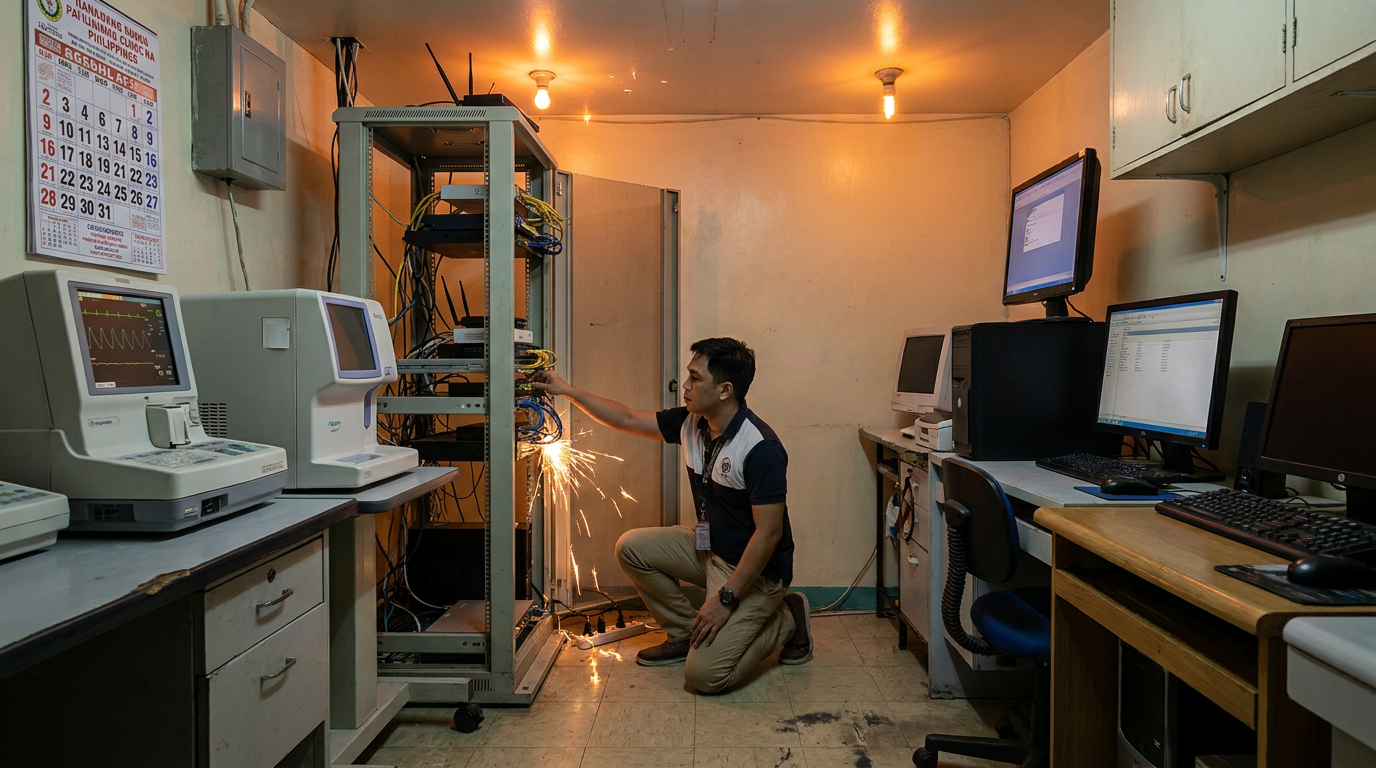
A sudden brownout ends with a loud pop. The office server will not restart. The dental clinic's X-ray unit is dead. The print shop's main machine is flooded after an overnight typhoon downpour. For many Filipino business owners, the equipment that runs the business is also the most fragile thing they own.
Electronic equipment insurance (EEI), a form of engineering insurance, exists for exactly these moments. Yet it remains one of the least understood covers in the Philippines. This guide explains what it is, what it covers, and how to avoid the mistakes that lead to disappointing claims.
What Is Electronic Equipment Insurance?
EEI is an all-risks policy that pays for the repair or replacement of insured electronic and electrical equipment when it suffers sudden and unforeseen physical loss or damage. Unlike a fire policy, which responds mainly to named perils such as fire, lightning, and natural catastrophe, EEI is built around the particular dangers that electronic devices face every day.
Typical items that can be insured include:
- Computers, servers, networking gear, and point-of-sale systems
- Medical and dental diagnostic equipment, such as ultrasound and X-ray units
- Telecommunications equipment and CCTV systems
- Printing, broadcasting, and production equipment
- Laboratory and testing instruments
What It Typically Covers
Coverage varies by insurer and policy wording, but a standard EEI policy commonly responds to:
- Electrical and electronic breakdown such as short circuit, arcing, and power surge
- Accidental damage including dropping, spillage, and operator error
- Water damage and flooding, a real concern in typhoon-prone areas
- Theft and burglary, subject to policy conditions
- Fire, lightning, and explosion in many policy forms
Some insurers also offer optional extensions, such as coverage for external data media, increased cost of working, and the cost of reconstituting data. These are worth asking about because the hardware is often cheaper to replace than the information on it.
Common Misconceptions in the Philippines
“My fire insurance already covers my equipment.” Not entirely. A fire policy generally will not pay for damage caused by a power surge, a short circuit without fire, or accidental damage. Those are the most frequent causes of loss.
- “A surge protector is enough.” It helps, but it cannot prevent every failure and it does not pay for a loss.
- “The warranty covers it.” Warranties usually address manufacturing defects only, and they expire. They rarely cover accidents, flooding, or theft.
- “Only big companies need it.” A single clinic scanner or a small firm's server can cost more than a year of net profit.
- “Old equipment cannot be insured.” Many insurers accept older equipment, though terms and age limits differ.
Practical Tips Before You Buy
- List every asset and its value. Insure at replacement value, not at depreciated book value, or you risk being underinsured.
- Check the deductible. A low premium with a high deductible can leave you paying most small claims yourself.
- Read the exclusions. Wear and tear, gradual deterioration, and losses covered by a manufacturer's guarantee are commonly excluded.
- Keep records. Invoices, serial numbers, and photos make a claim far smoother.
- Maintain your equipment. Regular servicing, a proper UPS, and good grounding are often expected by insurers.
- Review annually. New purchases and upgrades should be added so your coverage keeps pace with your business.
How a Claim Usually Works
After a loss, secure the equipment, avoid repairs until the insurer is notified, and report the incident promptly. An adjuster may inspect the damage and review your documents. If the claim is accepted, the insurer pays for repair or replacement, less the deductible. Clear records and prompt reporting are the two habits that most often speed things up.
Why Independent Guidance Matters
Electronic equipment policies are not identical. Limits, extensions, and exclusions differ between insurers, and the cheapest quote is not always the best value. At OneNetworx Insurance Agency, we are not tied to a single company, so we can walk you through the options and help you choose coverage that fits your equipment and your budget.
Get a Free Quote Today
Ready to protect what matters most? Our insurance experts are here to help you find the right coverage at the best price.
🌐 www.onenetworxinsurance.com
About the Author
Angelo Villamejor, Former Financial Wealth Branch Manager at a top Philippine life insurance company and a GAMA Awardee, has nearly three decades of experience spanning insurance brokerage, bancassurance, non-life and life insurance leadership. He leads OneNetworx Insurance Agency, giving Filipino families and businesses unbiased, expert guidance.